Mountain Pepper

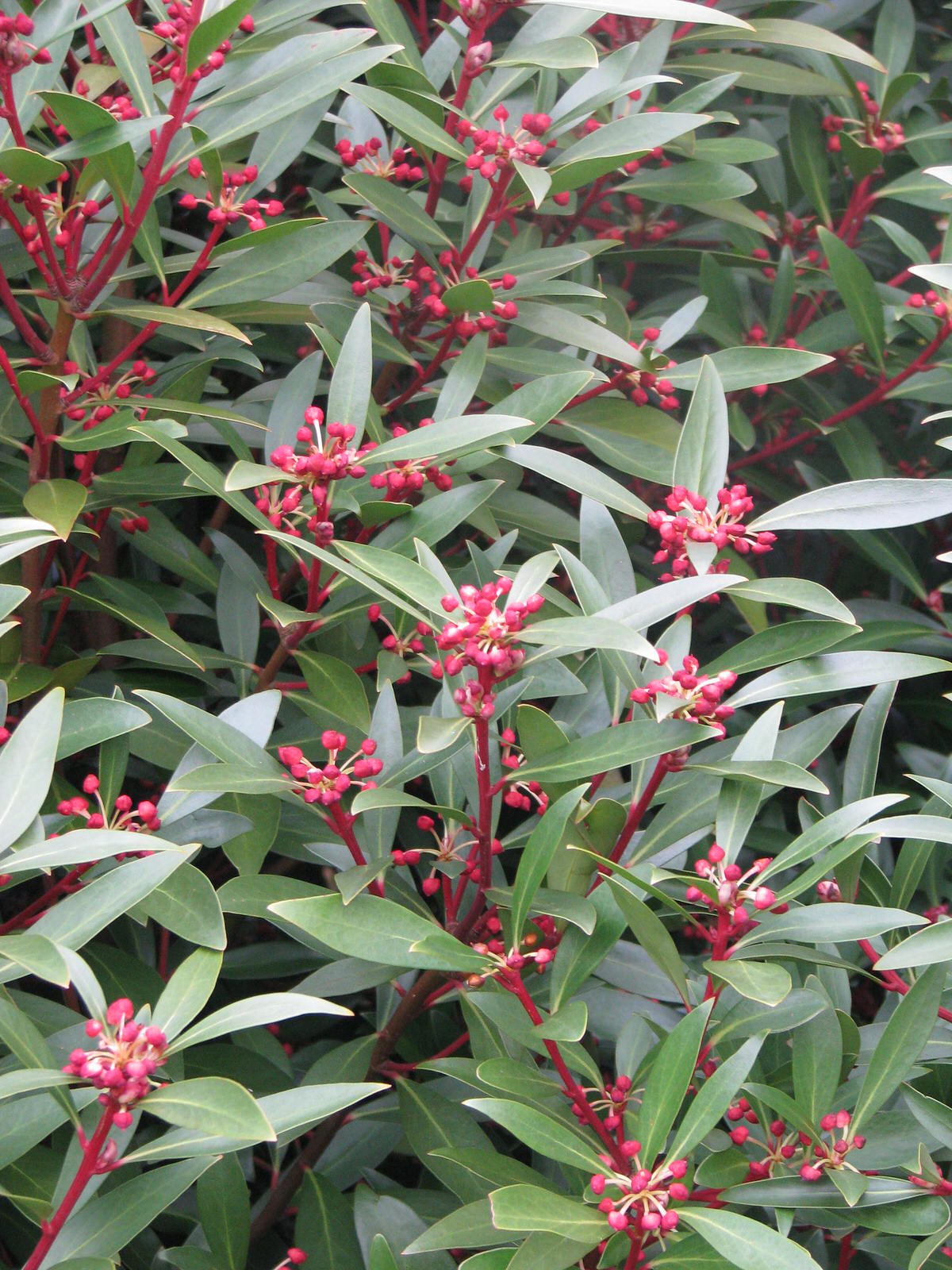
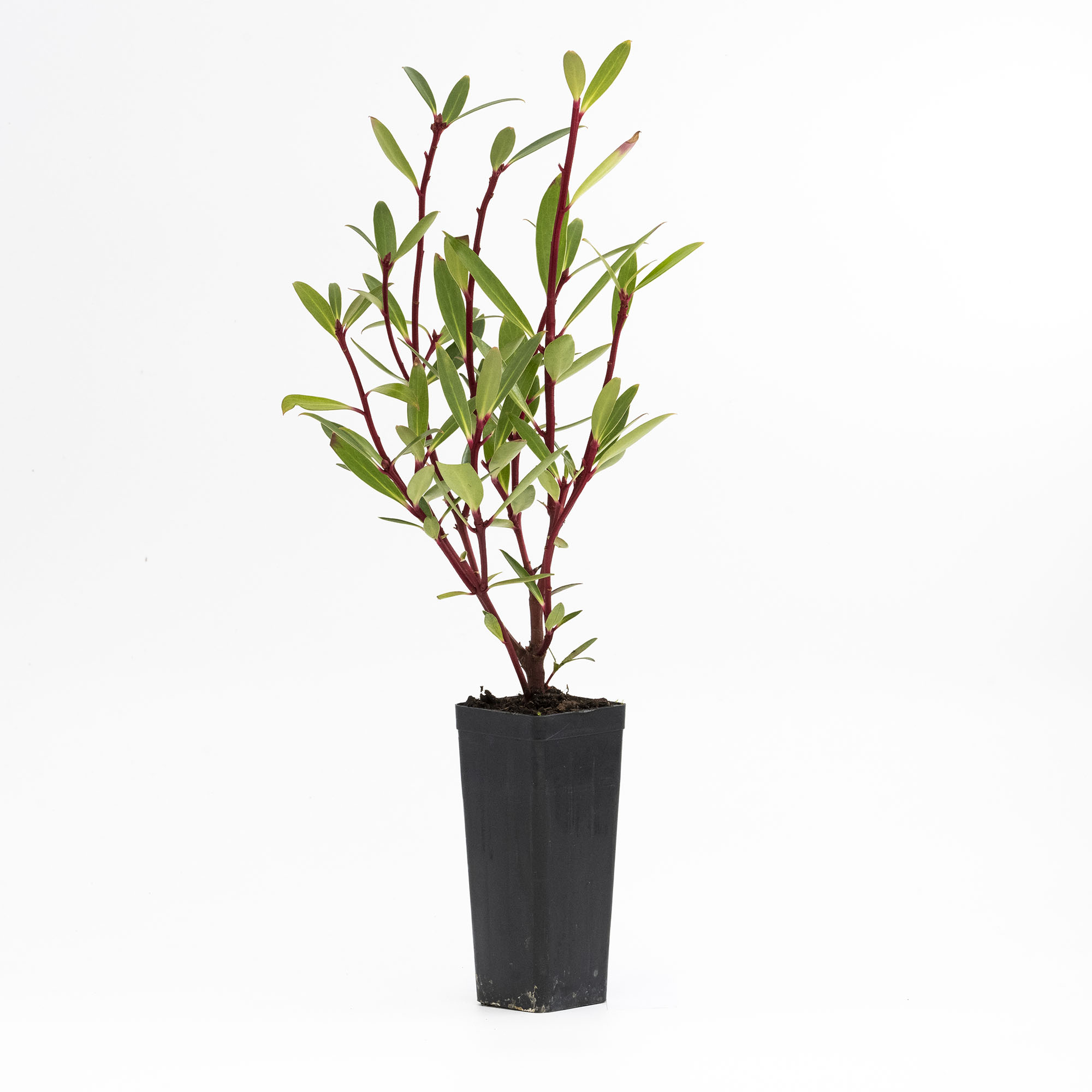
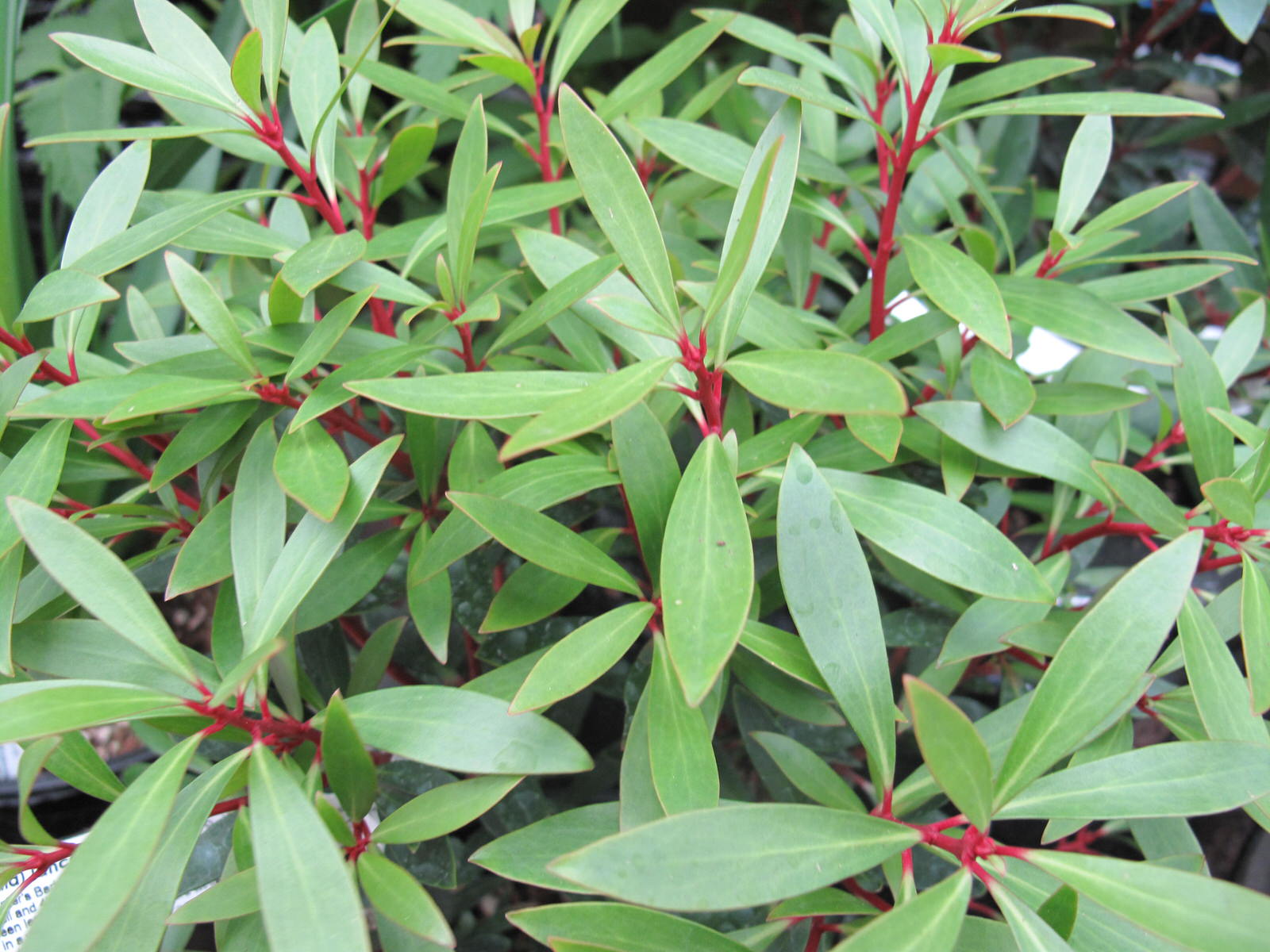
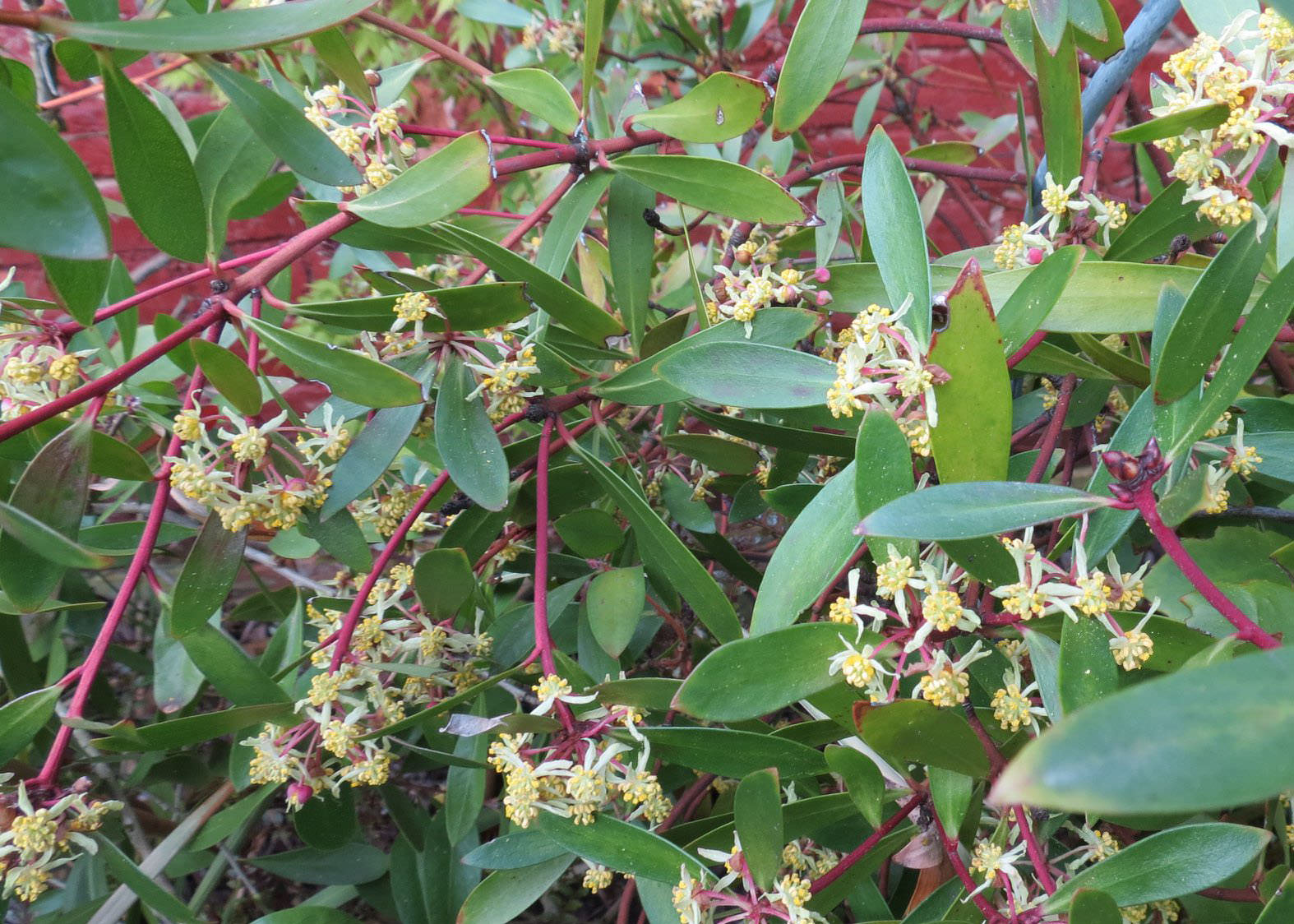
Tasmannia lanceolata (male)

A native of Tasmania, this dense evergreen shrub with leathery, cinnamon-scented leaves and reddish-purple stems is named for the pungent, hot-tasting essential oils in the leaves. Clusters of small, sweet-smelling, creamy white or pale yellow blooms appear in late winter and early spring, followed by shiny, dark red fruit that turns black when ripe. It works well as a hedge plant or privacy screen, or holds its own as a focal point in the garden. It’s best way to grow mountain pepper is to purchase male and female plants. Can tolerate full sun, but prefers partial shade especially when afternoons are hot. Once planted, water regularly to establish especially on hot days. Prune lightly in Spring to maintain the natural form.

H:3-5m W:3-4
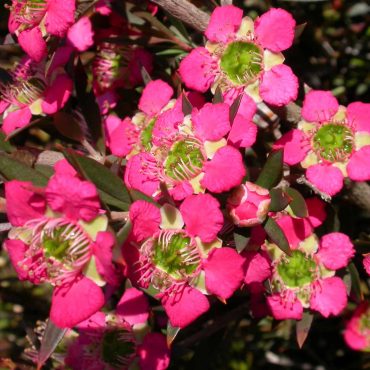
Everlasting Daisy
Endemic to Western Australia, this annual everlasting daisy is a go-to-choice for creating pretty native wildflower meadow effects in your garden. With flowers ranging from pure white to deep pink with contrasting bright yellow or deep black centres, each stem is topped with a flower appearing from August to November that opens in full sunshine, closing at night or in wet conditions. Can attract a range of bees and other pollinating insects to your garden. Be sure to grow in sandy open soil in sun to part shade, feed with native fertilizer and water in dry weather and cut back old flowers to encourage reshooting. Everlastings can also be dried by hanging upside down after cutting – pick in bud, they will open as they dry and retain their colour. H-0.2-0.7m W-0.2-0.4m
Rhodanthe chlorocephala ssp. Rosea
Everlasting Daisy
Endemic to Western Australia, this annual everlasting daisy is a go-to-choice for creating pretty native wildflower meadow effects in your garden. With flowers ranging from pure white to deep pink with contrasting bright yellow or deep black centres, each stem is topped with a flower appearing from August to November that opens in full sunshine, closing at night or in wet conditions. Can attract a range of bees and other pollinating insects to your garden. Be sure to grow in sandy open soil in sun to part shade, feed with native fertilizer and water in dry weather and cut back old flowers to encourage reshooting. Everlastings can also be dried by hanging upside down after cutting – pick in bud, they will open as they dry and retain their colour.
Rhodanthe chlorocephala ssp. Rosea